Tandao
The National Assembly Budget and Appropriations Committee has raised concerns over Kenya's fiscal outlook for the 2026/27 financial year, warning that failure to meet revenue collection targets could result in a significant budget deficit.
BY AMOS MUTACHO
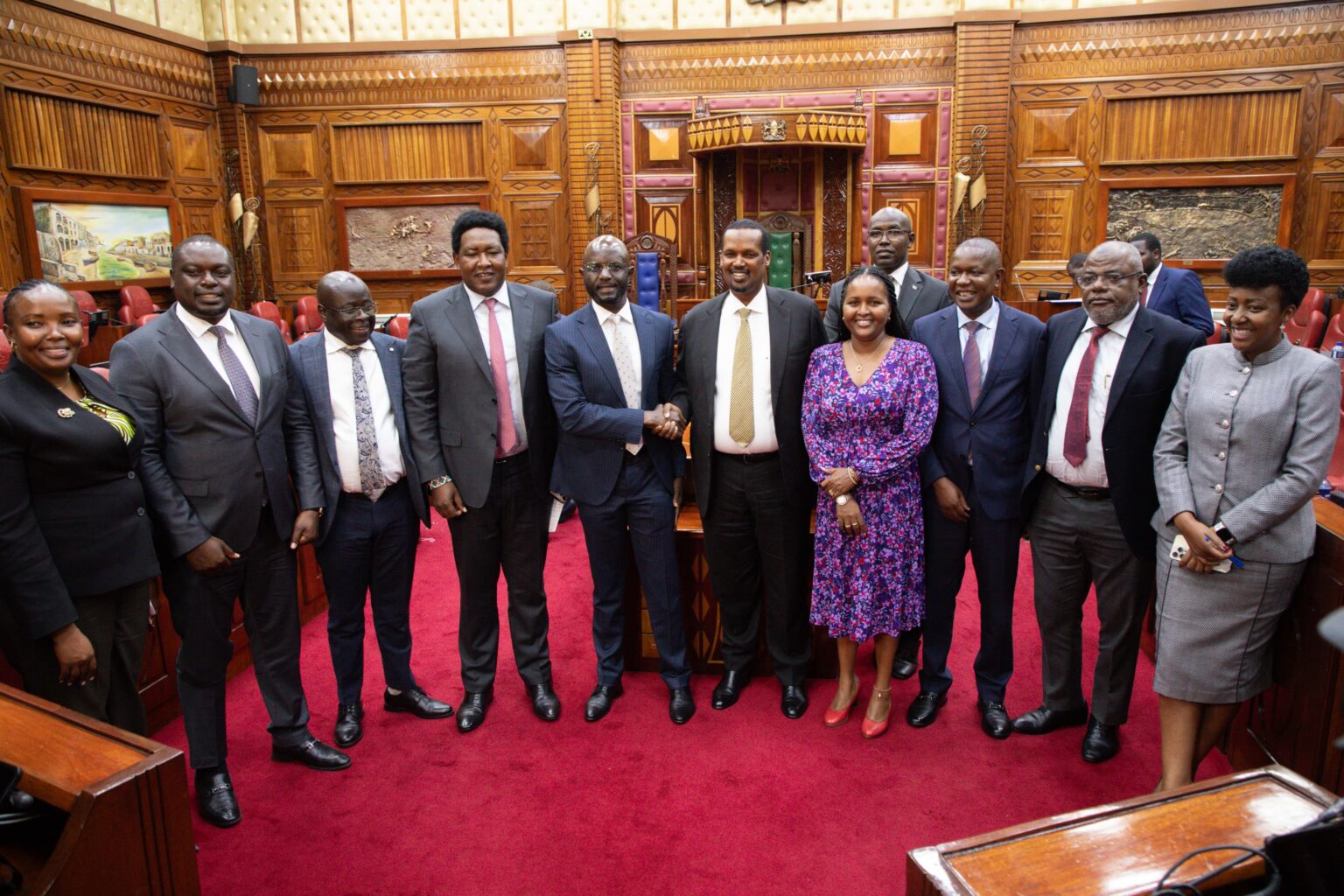
The National Assembly Budget and Appropriations Committee has raised concerns over Kenya’s fiscal outlook for the 2026/27 financial year, warning that failure to meet revenue collection targets could result in a significant budget deficit.
In its review of the proposed budget estimates, the committee cautioned the National Treasury against introducing additional tax cuts, arguing that such measures could further reduce government revenue at a time when public expenditure continues to rise. The committee emphasized that maintaining stable revenue streams will be critical to financing the proposed KSh 4.8 trillion budget.
According to the committee, increasing debt servicing costs and other mandatory expenditures are expected to place additional pressure on public finances. Expenditure under the Consolidated Fund Services, which includes debt repayments, pensions, and constitutional salaries, is projected to increase by KSh 51.2 billion in the coming financial year.The growing financial obligations are expected to limit funds available for development projects, with capital expenditure projected to decline by KSh 4.5 billion. Legislators warned that reduced development spending could slow the implementation of key infrastructure projects and other programmes aimed at stimulating economic growth.
The committee has also called for a review of budget allocations across various sectors, noting that several ministries and agencies could face reduced funding compared to previous years.Meanwhile, lawmakers have requested the Auditor General to conduct a special audit of the Public Service Internship Programme. The proposed audit seeks to address concerns over payroll discrepancies, delayed stipend payments, and broader financial management challenges that have affected the programme.
The committee’s recommendations now place the spotlight on the National Treasury as it seeks to balance revenue collection, debt obligations, and development priorities ahead of the final approval of the 2026/27 national budget.