Tandao
The National Cohesion and Integration Commission (NCIC) has announced that it will begin periodically publishing the names of political leaders found to be engaging in hate speech, incitement, and other forms of inflammatory rhetoric, in a move aimed at promoting accountability and safeguarding national unity as the country approaches the 2027 General Election.
BY ELIJA WANYAMA
The National Cohesion and Integration Commission (NCIC) has announced that it will begin periodically publishing the names of political leaders found to be engaging in hate speech, incitement, and other forms of inflammatory rhetoric, in a move aimed at promoting accountability and safeguarding national unity as the country approaches the 2027 General Election.
The commission said the initiative forms part of a broader strategy to curb ethnic incitement and politically motivated hate speech, which have previously contributed to violence and division in Kenya. NCIC noted that all leaders, regardless of their political affiliation or status, will be subject to investigations where there is credible evidence of violations of the National Cohesion and Integration Act.
Speaking during a stakeholders’ forum on peaceful coexistence, NCIC Chairperson Dr. Samuel Kobia said the commission has intensified surveillance of political rallies, public meetings, traditional media, digital platforms, and social media to identify individuals spreading messages that threaten national cohesion. He warned that while freedom of expression is guaranteed under the Constitution, it does not protect speech that incites violence, promotes discrimination, or fuels ethnic hostility.
Dr. Kobia said publishing the names of offenders is intended to discourage political leaders from making reckless statements capable of undermining peace. He emphasized that the commission will rely on verified evidence gathered through investigations before making any public disclosures, adding that cases meeting the legal threshold will be forwarded to the relevant investigative and prosecutorial agencies for further action.
The announcement comes at a time when political activity is intensifying across the country, with parties beginning grassroots mobilization ahead of the next General Election. The commission expressed concern that some leaders have increasingly resorted to divisive language during public engagements, warning that such rhetoric could heighten tensions if left unchecked.
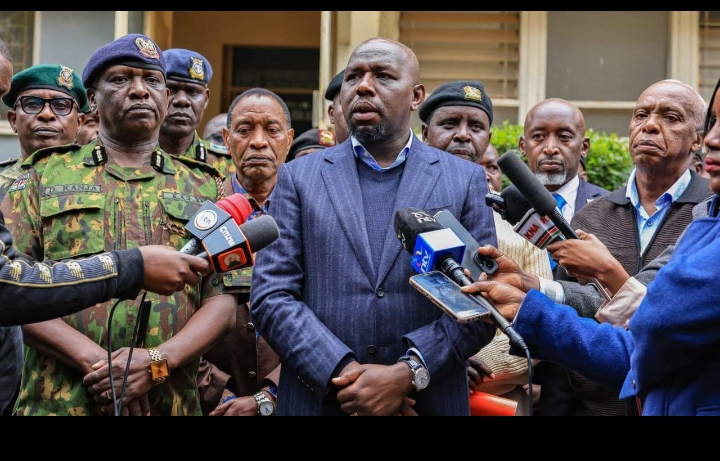
Interior Cabinet Secretary Kipchumba Murkomen reaffirmed the government’s commitment to enforcing the law against individuals who promote hate speech or incite violence. He said the government will not tolerate leaders who exploit ethnic differences or political competition to undermine peace and national security. Murkomen added that security agencies have been directed to investigate all reported cases impartially and ensure those found culpable face the full force of the law.
COTU Secretary-General Francis Atwoli welcomed the commission’s move, saying accountability is necessary to restore civility in political discourse. He urged politicians to focus on issue-based campaigns instead of using inflammatory language that could divide Kenyans along ethnic or political lines. Atwoli noted that workers and ordinary citizens are often the greatest victims whenever political tensions escalate into conflict.
Prime Cabinet Secretary Musalia Mudavadi also called on leaders to exercise restraint and uphold responsible leadership. He emphasized that Kenya’s democratic space should be used to promote constructive dialogue rather than hatred and intolerance. Mudavadi said peaceful coexistence remains a shared national responsibility and urged leaders to set an example by respecting the rule of law and constitutional values.
Political analysts have observed that the decision by NCIC to publicly identify leaders linked to hate speech could strengthen public accountability and discourage repeat offenders. However, they have also called on the commission to ensure that investigations remain independent, transparent, and free from political influence in order to maintain public confidence.
Civil society organizations have similarly welcomed the initiative but stressed that it should be accompanied by consistent prosecution of offenders. They argue that previous election cycles have seen numerous cases of hate speech investigations without successful convictions, weakening public trust in enforcement mechanisms.
Kenya has experienced episodes of politically instigated violence in past elections, making the fight against hate speech a critical component of efforts to maintain peace. The NCIC says it will continue working closely with the National Police Service, the Office of the Director of Public Prosecutions, the Independent Electoral and Boundaries Commission, religious leaders, the media, and civil society organizations to prevent incitement and strengthen national cohesion.
The commission has appealed to members of the public to report incidents of hate speech through its official reporting channels and encouraged political leaders to embrace respectful, issue-based campaigns. It maintains that preventing hate speech is not solely the responsibility of government institutions but requires collective action from all Kenyans committed to protecting peace, unity, and democratic governance.
As preparations for the 2027 General Election gather momentum, the NCIC says it will remain vigilant in monitoring political discourse and will not hesitate to publicly identify and pursue legal action against leaders whose words threaten the country’s stability and social cohesion.