Digital Media and Sports Coverage: How Digital Media Platforms Have Transformed Sports Journalism in Kenya.
 Tandao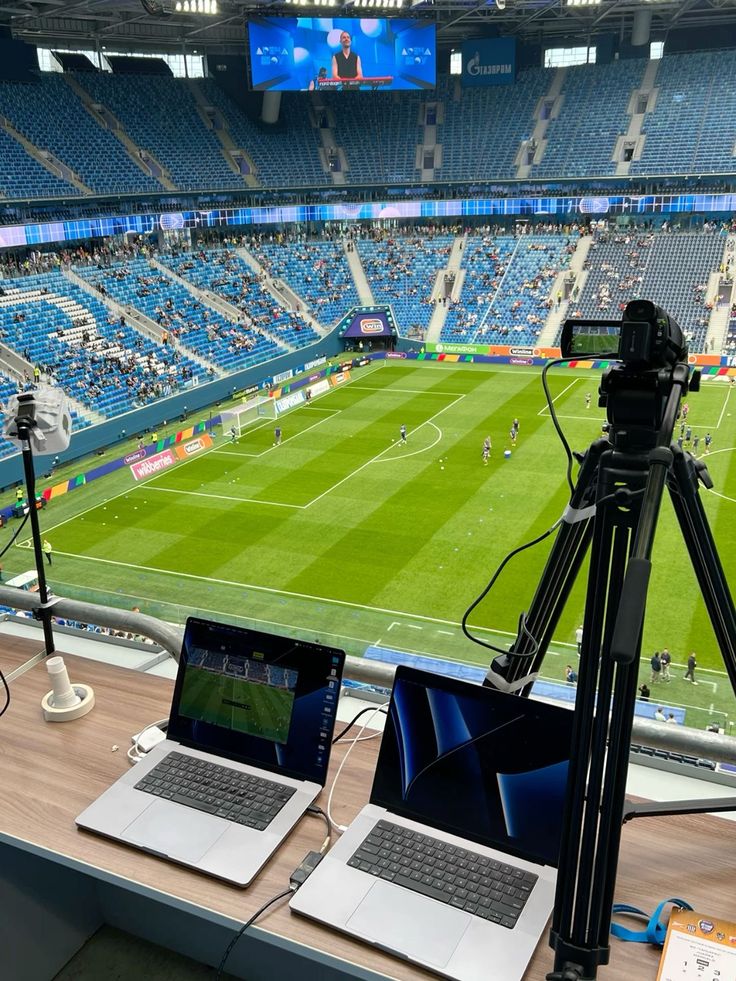
BY JOSEPH SIMIYU
A Click Away: Digital Platforms Give Young Athletes in Kenya New Visibility
Sports is no longer experienced only from the stands or through television broadcasts. Today, it is just a click away on a smartphone, reaching millions instantly through digital media.Across Kenya, digital platforms are changing how sports stories are gathered, reported, and consumed, giving fans faster access to news and athletes greater visibility.
Social media, live streaming, and mobile journalism have become powerful tools that are transforming sports coverage, especially at the grassroots level.At Bungoma High School, digital media has played a significant role in promoting chess and other sporting activities to audiences beyond the school community.The school’s chess coach says digital platforms have helped showcase young talent that would otherwise go unnoticed.”Through social media, we can share our achievements instantly, attract support, and motivate more students to participate in chess,” said the chess coach.The coach noted that livestreaming competitions allows parents, alumni, and sports enthusiasts to follow events in real time, regardless of their location.
However, he warned that the speed of online communication also increases the risk of misinformation if facts are not verified before publication.”Accuracy is very important. One false post can easily mislead the public and damage the reputation of players or schools,” he added.Sports journalists have equally embraced digital technology to meet the growing demand for instant sports updates.
A sports journalist explained that digital media has significantly changed the way stories are collected, verified, and published.”Years ago, we waited for newspaper deadlines or television bulletins. Today, we can report breaking sports news live from the venue using only a smartphone,” said the sports journalist.According to the reporter, platforms such as Facebook, X, Instagram, TikTok, and YouTube have become essential tools for reaching wider audiences.

The journalist added that mobile journalism has made reporting more flexible by enabling reporters to film, edit, and publish stories directly from the field.”Technology has made sports journalism faster and more interactive, but it has also increased the responsibility to verify every piece of information before publishing,” the journalist said.Digital media has also strengthened audience engagement by allowing fans to comment, share opinions, and interact directly with journalists and athletes.
These interactions have created stronger relationships between sports organizations, journalists, and supporters.Livestreaming has also expanded coverage of local tournaments that previously received little or no media attention.As a result, young athletes from schools and community clubs now have a greater opportunity to gain recognition from sponsors and professional scouts.
Despite these opportunities, challenges such as cyberbullying, fake news, and pressure to publish stories first continue to affect digital sports journalism.Media experts argue that speed should never replace accuracy and ethical reporting.
Responsible journalism remains essential in protecting the credibility of both journalists and sporting institutions.As technology continues to evolve, digital media is expected to play an even greater role in shaping the future of sports reporting in Kenya.The challenge now is for journalists and sports stakeholders to embrace innovation while maintaining professionalism, integrity, and accuracy.For sports lovers, the game is no longer confined to the field—it is now unfolding live on every digital screen, connecting athletes and fans like never before.