Tandao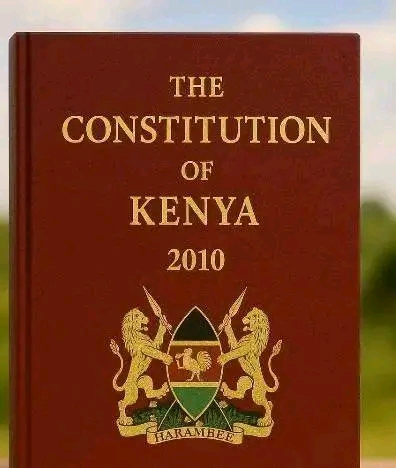
BY GELAS SITUMA
More than fifteen years after its promulgation, the Constitution of Kenya 2010 remains one of the most important legal and political milestones in the country’s history. It introduced far-reaching reforms that transformed Kenya’s governance structure, strengthened democratic institutions, protected fundamental rights, and promoted accountability.
Beyond changing how the country is governed, the Constitution has also had a significant impact on political reporting by expanding the role of the media in promoting transparency and informing the public.Before the promulgation of the Constitution, governance in Kenya was highly centralized, with most political power concentrated in the national government. Political reporting largely focused on national leaders and institutions, leaving little attention to local governance. However, the new Constitution created a new political environment where power is shared, institutions are strengthened, and citizens play a greater role in governance. Speaking during an interview in Bungoma, constitutional lawyer Kevin Peter Shikhu said the Constitution introduced five major reforms that continue to shape governance in Kenya.
According to him, these reforms include devolution, the Bill of Rights, judicial independence, electoral reforms, and the establishment of independent constitutional commissions. Shikhu explained that the reforms were designed to strengthen democratic governance by promoting the rule of law, improving service delivery, protecting human rights, and ensuring that public institutions remain accountable to the people. He noted that the Constitution established stronger legal and governance structures that have improved oversight of government activities. One of the most significant reforms was the introduction of devolution, which created 47 county governments.
The new system transferred political power, resources, and decision-making from the national government to county governments, allowing services to be delivered closer to citizens. Counties now have greater responsibility for sectors such as health, agriculture, local infrastructure, and trade. The introduction of devolution also transformed political reporting. Journalists are no longer limited to covering national politics but now report extensively on county governments, county assemblies, governors, public participation forums, county budgets, and development projects. As a result, governance reporting has become broader and more relevant to citizens at the grassroots level.
The Constitution also strengthened the Bill of Rights, guaranteeing freedoms such as freedom of expression, freedom of the media, and access to information. These rights have created a better environment for journalists to investigate issues affecting the public and report without unnecessary restrictions while remaining guided by professional ethics. According to Shikhu, access to information has strengthened investigative journalism by enabling reporters to examine issues such as corruption, misuse of public resources, poor service delivery, and violations of citizens’ rights. The public has also become more aware of its constitutional rights through media coverage. Another major reform was the strengthening of the Judiciary. The Constitution established an independent Judiciary with greater authority to interpret the law, resolve constitutional disputes, and safeguard the rule of law.
Court decisions now play a major role in shaping governance and politics. Political journalists regularly report on court rulings involving elections, constitutional petitions, corruption cases, leadership disputes, and governance matters. These reports help citizens understand the legal implications of important national decisions and promote confidence in the justice system. The Constitution also introduced electoral reforms aimed at ensuring free, fair, transparent, and credible elections. The reforms strengthened electoral management and created legal mechanisms for resolving election disputes peacefully through the courts. Election reporting has therefore become more comprehensive than before. Journalists now cover voter registration, nominations, campaign activities, polling, vote tallying, election technology, and post-election petitions.

This has improved public awareness of electoral processes and encouraged peaceful participation during elections. The fifth major reform was the establishment of independent constitutional commissions to promote accountability, protect human rights, and oversee public institutions. These commissions play an important role in strengthening governance and ensuring that public officials remain accountable. For journalists, these institutions have become reliable sources of information when reporting on corruption, leadership, ethics, human rights, and public administration. Their reports often form the basis of investigative stories that expose weaknesses in governance and encourage reforms. Politician Dennis Tumwa said the Constitution fundamentally changed Kenya’s political leadership by ensuring that power is shared between the national and county governments.
He noted that devolution has increased citizen participation in decision-making and improved access to government services. Tumwa added that because county governments are now closer to the people, the media has an even greater responsibility to monitor leaders and ensure that public resources are used responsibly. He said increased media coverage has encouraged leaders to become more transparent and accountable. Media practitioner Gabriel Wafula observed that political journalism has evolved significantly since the Constitution came into force. He explained that journalists today focus more on governance, public policy, development, and accountability rather than merely reporting political events and speeches. However, Wafula noted that journalists still face challenges such as political pressure, misinformation, online harassment, limited access to some public information, and security risks while covering sensitive political stories.
He emphasized the importance of protecting media freedom to enable journalists to perform their watchdog role effectively. Bungoma resident Benjamin Wafula said devolution has brought positive changes by improving service delivery and creating more opportunities for local economic development. He observed that development projects are now easier for citizens to monitor because decision-making has moved closer to the people. Another resident, Syphrose Nafula, said the Constitution has empowered citizens by strengthening their rights and encouraging public participation in governance. She noted that the media has played an important role in educating wananchi about the Constitution and their democratic rights. Reports by the Media Council of Kenya and the Kenya National Commission on Human Rights continue to emphasize the importance of protecting media freedom, access to information, and human rights as essential pillars of democratic governance.
These institutions maintain that independent journalism is necessary for effective oversight of public institutions. Despite the significant progress achieved since 2010, experts agree that political reporting still faces challenges. The spread of misinformation, political interference, threats against journalists, and limitations in accessing some public records continue to affect quality reporting. Nevertheless, the Constitution has created a stronger legal environment that supports responsible journalism, public accountability, and citizen participation. Political reporting has shifted from focusing mainly on political personalities to examining governance, public policies, service delivery, constitutional implementation, and institutional accountability. As Kenya continues to strengthen its democratic institutions and prepare for future elections, the media will remain central in promoting transparency, informing citizens, and holding leaders accountable.
Responsible political reporting will continue to support constitutionalism, good governance, and the rule of law. More than fifteen years after its promulgation, the Constitution of Kenya 2010 remains the foundation of Kenya’s democratic governance. Through devolution, the Bill of Rights, judicial independence, electoral reforms, and independent constitutional commissions, it has transformed political reporting by expanding media freedom, strengthening oversight of public institutions, and empowering citizens to participate actively in the country’s democratic process.