Kenya Shifts HIV Response to Counties as New Data Shows Children and Youth Remain Most Affected
 Tandao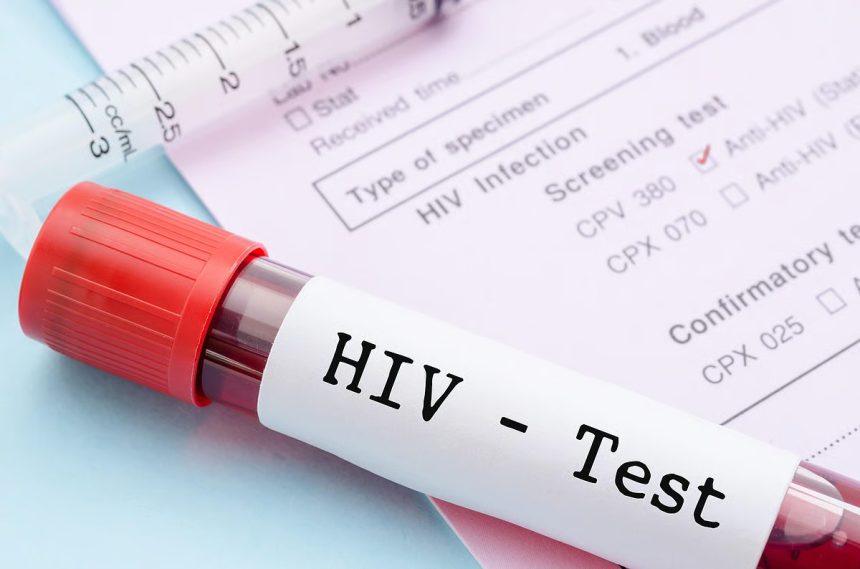
Seti za kujipima VVU hukuruhusu kuangalia hali yako nyumbani kwa haraka na kwa faragha kwa sampuli ya damu ya kidole au usufi mdomoni.
BY CYNTHIA ELIZABETH
Kenya has launched a new county-based approach to tackling HIV after
emerging data showed that children, adolescents and young people
continue to account for a significant share of new infections despite
years of national progress.
The move follows the rollout of the Kenya AIDS Integration Strategic
Framework (KAISF) 2025–2030 together with 47 County Syndemic
Operational Plans, which are expected to guide how counties respond to
HIV and related public health challenges based on local disease
patterns and population needs.
Health authorities say the new approach marks a shift from broad
national interventions toward targeted county-level action designed to
strengthen prevention, improve access to treatment and expand
follow-up services in areas carrying the greatest burden of infection.
Recent national HIV data has continued to raise concern over
infections among younger populations, with government and health
partners identifying children, adolescents and young adults as groups
requiring more focused interventions. Mother-to-child transmission
also remains an area of concern, reinforcing the need for stronger
maternal and child health services alongside HIV prevention
programmes.
Under the county operational plans, local governments are expected to
play a greater role in identifying service gaps, directing resources
and implementing interventions that respond to their specific
realities rather than applying uniform national strategies.
According to the Ministry of Health, the framework is intended to
strengthen coordination, integrate HIV services into routine
healthcare and improve accountability in the country’s long-term
response to HIV and other interconnected health conditions.
The government says the renewed strategy aims to protect earlier gains
made in reducing HIV infections while addressing emerging challenges
affecting prevention, treatment and long-term sustainability of the
response.