Tandao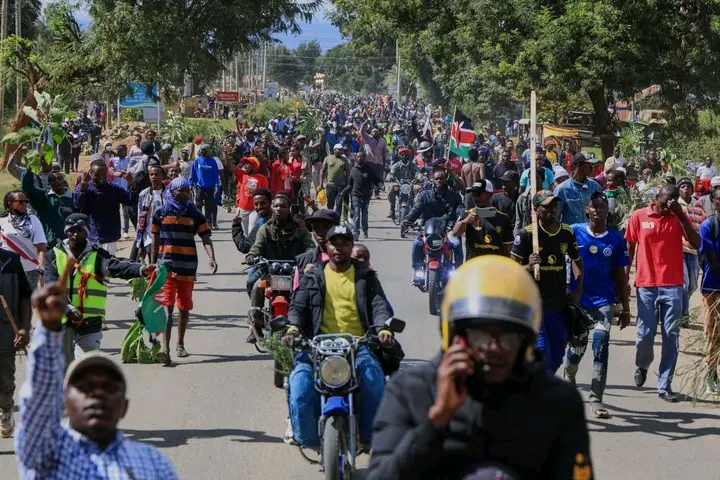
BY MAGDALINE LUBISIA
A U.S. plan to establish a 50-bed Ebola isolation facility at Laikipia Air Base in Nanyuki has ignited a major national crisis in Kenya, triggering widespread protests and ultimately leading to the initiative’s collapse. The proposal emerged as a response to the alarming spread of the Bundibugyo strain of Ebola in the Democratic Republic of Congo, with U.S. officials intending to create a containment center specifically for American citizens who might be exposed to the virus.However, the announcement met with immediate and fierce backlash from various segments of Kenyan society. Activists voiced their concerns over the deal’s secretive nature and the glaring absence of native Ebola cases within the country.
Many viewed the initiative as a form of medical neo-colonialism, igniting a firestorm of dissent across the nation. Protests erupted under the unifying slogan “Tumekataa Ebola” (We refuse Ebola), as demonstrators marched through the streets demanding accountability and transparency from both the Kenyan government and its foreign partners.The situation escalated dramatically with violent clashes between protesters and police, resulting in multiple fatalities. Images of the unrest shook the nation, prompting intensified discussions about public health, sovereignty, and the power dynamics between Kenya and foreign nations.
Civil society organizations quickly mobilized, filing petitions in the High Court aimed at halting the project altogether on the grounds of public safety and the need for greater community engagement.In a notable development, the High Court issued an emergency injunction against the construction, drawing attention to the legal implications of proceeding with such a contentious facility. However, this did not deter the Kenyan government, which continued with the initiative until the High Court found Health Cabinet Secretary Aden Duale in contempt of court for disregarding its ruling. Facing the prospect of imprisonment, Duale was compelled to publicly apologize in court and subsequently announced an immediate halt to all construction activities.The U.S.-backed initiative has now been abandoned, leaving behind only empty medical tents at Laikipia Air Base as a haunting reminder of the failed effort. This debacle illustrates the complexities of international health initiatives, particularly in nations with their own unique public health challenges.
It raises pressing questions about how such programs are perceived within the local context, emphasizing the critical need for dialogue, transparency, and respect for the communities involved. As Kenya moves forward from this event, the focus will likely shift to rebuilding trust between the government, its citizens, and potential foreign partners in health initiatives.