Tandao
BY CYNTHIA ELIZABETH
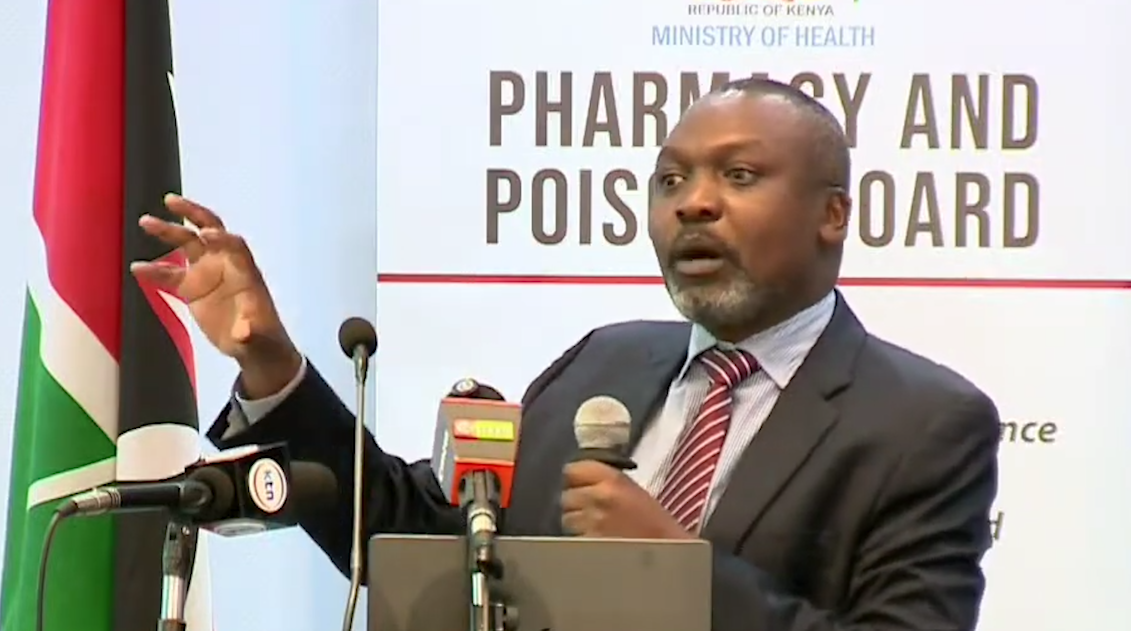
The government has launched a multi-agency steering committee to boost Kenya’s fight against fake and substandard medicines, with the aim of improving coordination among institutions that protect the country’s pharmaceutical supply chain. Health Cabinet Secretary Aden Duale unveiled the Interministerial Steering Committee on Wednesday in Nairobi. The committee will oversee the rollout of Kenya’s National Action Plan on Substandard and Falsified Medical Products. It brings together agencies from medicine regulation, law enforcement, border control and public health to harmonize efforts against counterfeit medical products.
The move comes as concern grows over how poor-quality medicines affect public health. Counterfeit and substandard products have been linked to treatment failure, preventable deaths, antimicrobial resistance, and a drop in public trust in healthcare services. Duale said tackling fake medicines will require a united effort from all players in the health sector. He noted that no single institution can win the fight alone, and that regulatory agencies, county governments, healthcare workers, manufacturers, distributors and the public must work together for the plan to succeed.
The committee’s mandate is to provide strategic leadership for the National Action Plan by coordinating action to prevent, detect, investigate and respond to counterfeit medicines. It will also work to seal legal, regulatory and operational gaps that have allowed falsified products into the market. The launch coincides with stepped-up surveillance and enforcement by the Pharmacy and Poisons Board. According to the regulator, it has received 1,413 complaints on medical product quality since 2021, leading to 99 product recalls. The Board has also recorded 32,833 reports of adverse drug reactions and issued 18 public alerts on suspected falsified medicines.
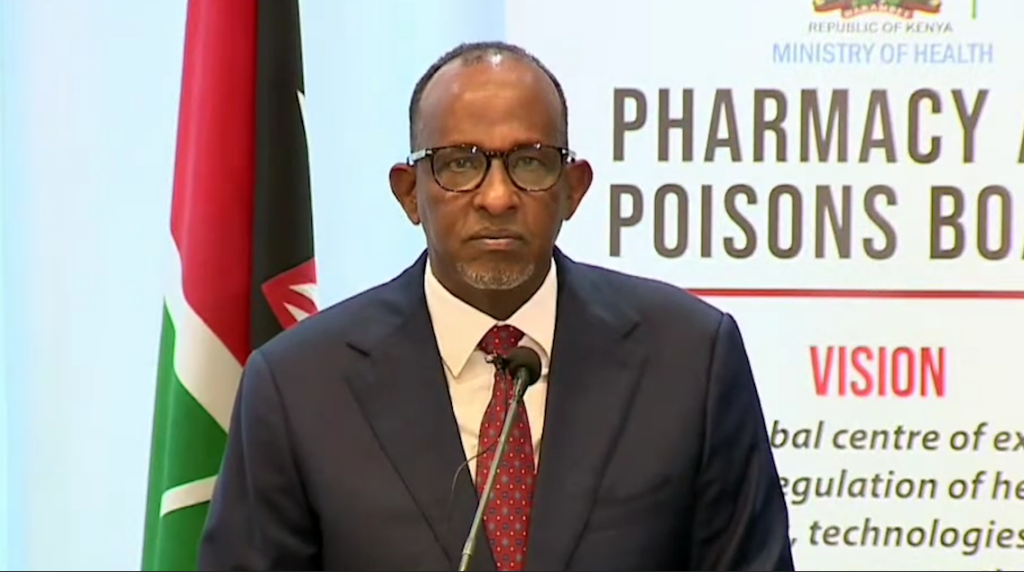
Enforcement has picked up pace this year. Since January 2025, the PPB has coordinated 58 product recalls, issued 14 rapid alerts, closed 200 non-compliant pharmaceutical outlets, and supported arrests and prosecutions linked to counterfeit medicine distribution. To tighten oversight, the Board has increased inspections at Kenya’s gazetted ports of entry through full physical checks, intelligence-led operations and risk-based profiling. It has also set up 15 Post-Marketing Surveillance Sentinel Sites and 30 Pharmacovigilance Sentinel Sites to improve early detection of poor-quality medicines and track adverse drug reactions countrywide. PPB Chairperson Dr. John M. Munyu said recent reforms, including mandatory re-registration of legacy medical products, stronger post-market surveillance and stricter inspections across the supply chain, have improved medicine regulation in Kenya.
He added that continued cooperation among government agencies, health professionals, manufacturers, distributors and the public is key to eradicating counterfeit medicines. The World Health Organization estimates that one in every ten medical products in Africa is substandard or falsified, underscoring the scale of the challenge. The Ministry of Health says Kenya’s National Action Plan rests on five pillars: Prevention, Detection, Response, Communication and Sustainability. The plan is expected to strengthen regulatory systems, improve inter-agency coordination and protect the quality, safety and effectiveness of medicines available to Kenyans.