Tandao
BY AMOS MUTACHO
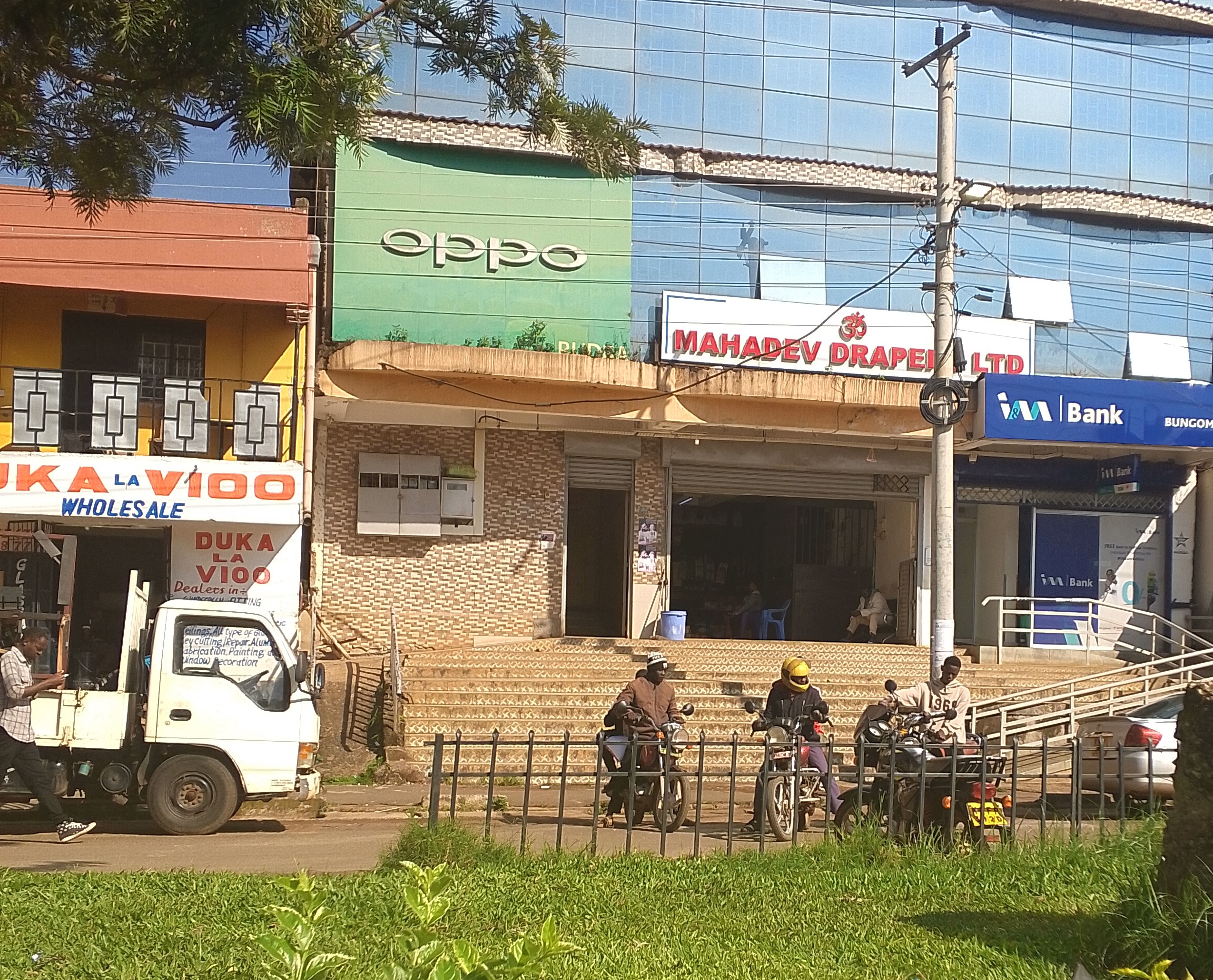
The sound of mobile phone transaction notifications has become a common sight in the Bungoma Business Hub, reflecting Kenya’s ongoing shift towards a cashless economy. From supermarkets, retail stores to roadside stalls, merchants are increasingly adopting digital payment systems such as M-Pesa, Lipa na M-Pesa and Pochi la Biashara to improve efficiency, reduce cash usage and serve customers more conveniently.
The rise of financial technology (fintech) is changing the way businesses operate by enabling merchants to receive instant payments, digitally record transactions, and reach customers more efficiently.However, despite this convenience, merchants still face challenges such as fraudulent M-Pesa refund requests, delayed transaction notifications, and network issues.According to Safaricom and the Central Bank of Kenya (CBK), the use of digital payments has grown rapidly in recent years. In 2017, M-Pesa had about 19.3 million active customers and about 148,000 agents in the country. By 2022, the number of monthly users had increased to over 30 million. In 2024, Safaricom reported that M-Pesa had 32.4 million monthly users and over 633,000 merchants using the Lipa na M-Pesa service in the country. By 2026, this number had reached 40 million users, demonstrating Kenya’s position as one of the leading countries in Africa in the use of digital payments.For many business owners in Bungoma, digital payments have become an integral part of their daily operations.Caroline Simiyu, a businesswoman in Bungoma, says she has started using the Business Wallet service because it offers her more security than traditional mobile money services.”I prefer using the Business Wallet because it’s easy and gives me peace of mind.
Once a customer pays and picks up their product, the money cannot be easily refunded. This has helped me avoid losses caused by refund fraud,” he says.Simiyu explains that before starting to use the Business Wallet, he repeatedly encountered conflicts with customers regarding payment verification, which forced him to spend a lot of time resolving transaction problems instead of servicing his business.In addition to protecting him from chargeback fraud, he says digital payments have reduced the amount of cash he keeps in the store and made it easier for him to track his daily sales via his mobile phone.Despite these benefits, Simiyu says digital payment systems still have challenges.”Sometimes the payment confirmation message is delayed due to network problems.This situation makes it difficult for you to know whether to hand over the product to the customer or wait until the message arrives.
This frustrates merchants and customers alike,” he says.Business experts say the digital payments revolution in Kenya has contributed significantly to increasing financial inclusion by enabling millions of citizens to access financial services that were previously not easily available through traditional banks.The CEO of Tendapay says financial technology has transformed the country’s business environment by enabling faster transactions, reducing operational costs and improving record keeping for small and medium-sized businesses.According to the expert, digital payment systems have also enabled traders to access credit, save digitally and build a financial history that can help them grow their businesses in the future.However, he warns that the increased use of digital technology should be accompanied by enhanced cybersecurity as well as education on the use of technology to protect businesses and consumers from fraud.He adds that digital transformation is not limited to mobile financial services.
Many businesses are now using social media platforms like Facebook, WhatsApp Business and Instagram to promote their products, communicate with customers and take orders, a move that enables them to reach customers even outside Bungoma County.Financial institutions have also urged merchants to use official merchant payment systems and ensure that each transaction is verified before handing over the goods to the customer. They advise them to rely on official payment confirmation messages rather than screenshots shown by some customers.The continued growth of digital payments is expected to make a greater contribution to Kenya’s economic development by strengthening entrepreneurship, increasing efficiency and promoting financial inclusion.However, experts emphasize that challenges such as cybercrime, delayed transaction notifications, unreliable internet, and fraud attempts must be addressed for businesses to fully benefit from the growth of the country’s digital economy.

For entrepreneurs like Caroline Simiyu, digital technology has already changed the way they run their businesses.”Technology has made business much easier. Customers pay faster, I can easily track my sales, and through the Business Wallet I feel more secure. If the challenges of cybercrime and fraud are resolved, more merchants will embrace this technology with confidence,” he says.As Kenya continues to move towards a cashless economy, digital payment technologies are becoming more than just convenience tools. They are becoming a vital pillar of modern businesses, enabling merchants in Bungoma and other parts of the country to adapt to an increasingly digital future.