Tandao
BY DAPHINE JUMAH

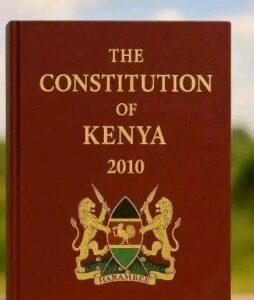
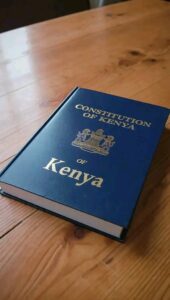
More than a decade after Kenya adopted the 2010 Constitution, Articles 33, 34 and 35 remain the backbone of press freedom in the country. They guarantee freedom of expression, media independence, and the public’s right to access information held by the State. But for many journalists and media experts, the question remains: are these rights fully realized on the ground?
Progress Acknowledged
Media practitioners say the Constitution has created a freer environment for journalism. Investigative reporting has expanded, newsrooms are more open to holding power to account, and citizens have greater access to information that affects their daily lives.“Constitutional protections have given journalists the legal backing to report on matters of public interest without fear,” one editor said. “It has also strengthened public participation because people can now demand information and make informed decisions.”
Persistent Challenges
Despite the legal guarantees, journalists say accessing information from public institutions is still a major hurdle. Delays, bureaucratic red tape, and outright refusals are common, limiting the media’s ability to scrutinize government and serve the public’s right to know.Legal experts warn that constitutional rights mean little without enforcement. “The Judiciary has a critical role in protecting journalists when these freedoms are threatened and in interpreting the Constitution when disputes arise,” a legal scholar noted.Other emerging threats are also testing press freedom. Media lecturers and editors point to misinformation, digital harassment of journalists, cyber threats, and growing economic pressure on media houses as new challenges in the digital age.
Rights Come With Responsibility
Editors, who act as gatekeepers, say constitutional freedom must be balanced with professional duty. “Every story must be verified, factual, balanced and in the public interest,” an editor explained. “That’s how we protect both the credibility of the media and the rights of individuals in the news.”Media trainers argue that journalists must also understand their responsibilities under the law. Upholding fairness, accuracy, impartiality and ethics is key to maintaining public trust.
Why It Matters to All Kenyans
Experts agree that press freedom is not just a journalists’ issue. “A free and independent media benefits every Kenyan,” one lecturer said. “It promotes transparency, accountability and informed participation in governance.”As Kenya continues to build its democratic institutions, analysts say safeguarding Articles 33, 34 and 35 will be crucial. They are calling for stronger institutional support, more transparency from public bodies, and continuous training for journalists on both constitutional rights and ethical standards.