Tandao
BY AMOS MUTACHO
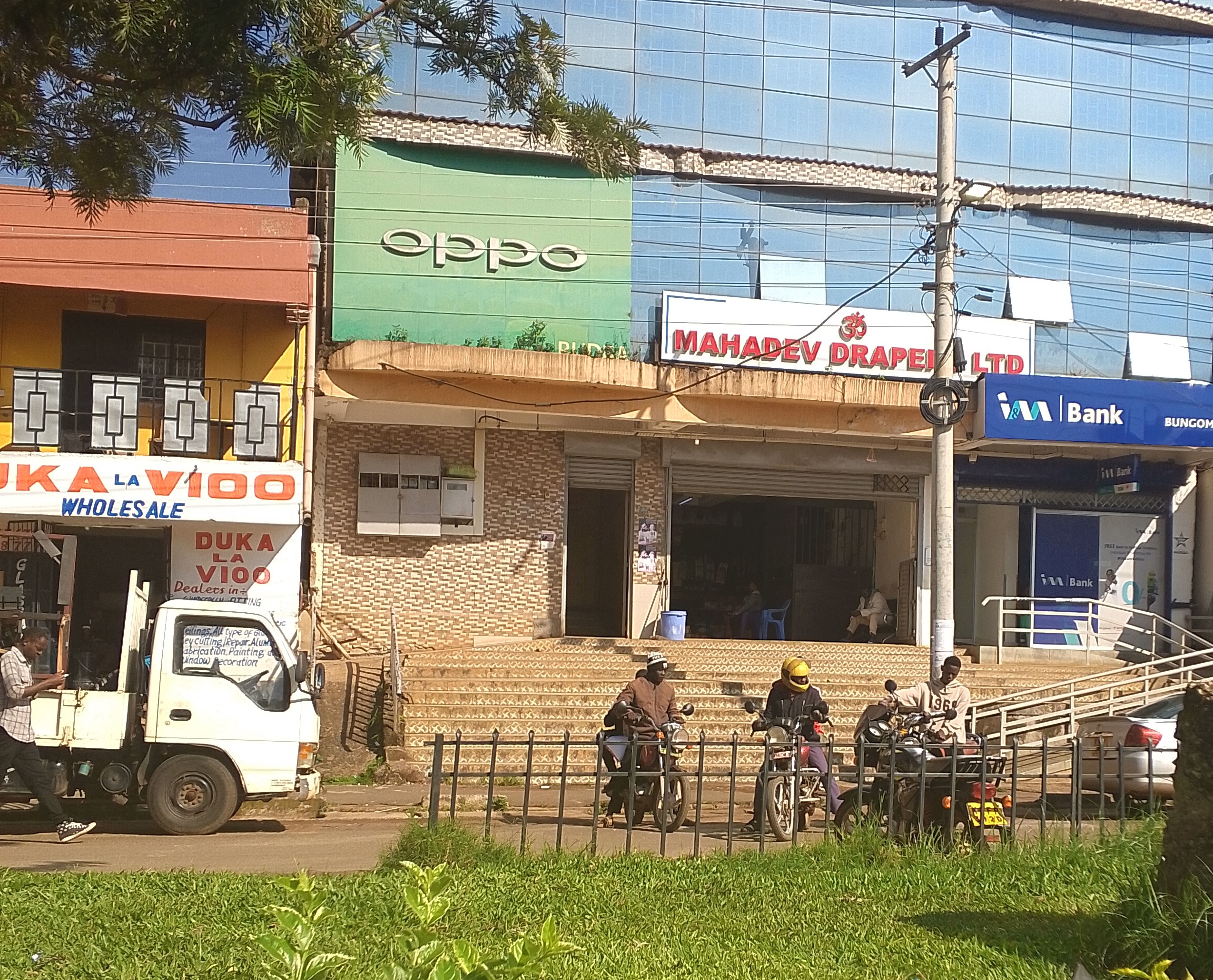
The familiar ping of mobile money notifications now echoes through Bungoma Town’s Central Business District,a clear sign of Kenya’s accelerating move toward a cashless economy.From supermarkets and retail shops to roadside kiosks, traders in Bungoma are increasingly turning to digital payment platforms including M-Pesa, Lipa na M-Pesa and Pochi la Biashara.The goal is for faster transactions, reduced cash handling, and better service for customers.
Fintech Reshaping Local Business
The adoption of financial technology is changing how businesses operate at the grassroots level. Traders say digital payments allow them to receive money instantly, keep automatic transaction records, and monitor daily sales directly from their phones.For many, the shift has also been about security. Caroline Simiyu, a trader in Bungoma Town, says she switched to Pochi la Biashara after experiencing losses from fraudulent M-Pesa reversals. “I prefer using Pochi la Biashara because it is convenient and gives me peace of mind. Once a customer pays, the money cannot easily be reversed after they have collected their goods. It has helped me avoid losses,” she said.Before the switch, Simiyu said she often spent hours resolving disputes over payment confirmations. Digital payments have also reduced the amount of cash she keeps in her shop.
Rapid National Growth
Data from Safaricom and the Central Bank of Kenya shows steady growth in digital payments nationwide. In 2017, M-Pesa had about 19.3 million active customers and 148,000 agents. By 2022, monthly active users had surpassed 30 million. In 2024, Safaricom reported 32.4 million one-month active M-Pesa customers and more than 633,000 active Lipa na M-Pesa merchants. By 2026, the platform had reached 40 million active users, cementing Kenya’s position as a leader in Africa’s digital payment space.
Challenges Remain
Despite the benefits, traders say the transition is not without problems. Common complaints include delayed transaction notifications due to poor network connectivity, fraudulent reversal requests, and customers presenting fake payment screenshots.“Sometimes payment confirmation messages are delayed because of network problems. When that happens, you are left wondering whether to give out the goods or wait. It inconveniences both the customer and the trader,” Simiyu noted.Business experts say that as digital adoption grows, so must cybersecurity and digital literacy. They advise traders to use official merchant payment solutions and to verify transactions through system-generated messages rather than screenshots.
Beyond Payments
The digital shift extends beyond mobile money. Many Bungoma businesses now use Facebook, WhatsApp Business and Instagram to market products, take orders, and engage customers, allowing them to reach markets far beyond the county.Financial experts also note that digital payments have improved financial inclusion. By creating electronic transaction records, SMEs can now access credit, save money digitally, and build financial histories to support business growth.A CEO at fintech firm Tendapay said the technology has lowered operating costs and made transactions faster for small businesses.
Looking Ahead
Industry players say addressing cybercrime, unreliable internet, and fraud will be key to unlocking the full benefits of a digital economy.For traders on the ground, however, the change is already tangible. “Technology has made business much easier. Customers pay quickly, I can track my sales easily, and with Pochi la Biashara I feel more secure. If network delays and fraud are addressed, even more traders will confidently embrace digital payments,” Simiyu said.
As Kenya continues its push toward a cashless society, digital payment tools are no longer just an alternative, they are becoming the foundation of modern commerce in towns like Bungoma and beyond.