Tandao
BY SYPHROSE NAFULA
Media stakeholders say ethical journalism remains the foundation of credible news reporting.Experts emphasize that accuracy, fairness, balance and objectivity strengthen public trust.Residents of Bungoma are calling for verified, impartial and reliable news.Journalism remains one of the most important pillars of democracy, informing citizens and enabling them to make informed decisions on issues affecting their daily lives.
However, the rapid growth of digital platforms and social media has transformed the way information is produced and shared, presenting new challenges for professional journalists.
As misinformation and unverified content continue to spread online, media professionals insist that journalism must remain anchored on ethical principles.A feature conducted in Bungoma County brought together editors, reporters, journalism lecturers, a lawyer, media freedom advocates, communication students and members of the public to discuss the importance of ethical reporting in Kenya.
At the center of the discussion were four key principles of journalism: accuracy, fairness, balance and objectivity.
The stakeholders agreed that these principles are not only professional standards but also the foundation of credible journalism.According to an editor from a local media house, every story published or broadcast must undergo thorough verification before reaching the audience.”Accuracy is the foundation of every credible news story.
Verifying facts before publication protects both the audience and the integrity of the newsroom,” the editor explained.The editor noted that rushing to break news without adequate verification increases the risk of misinformation and damages public confidence in the media.
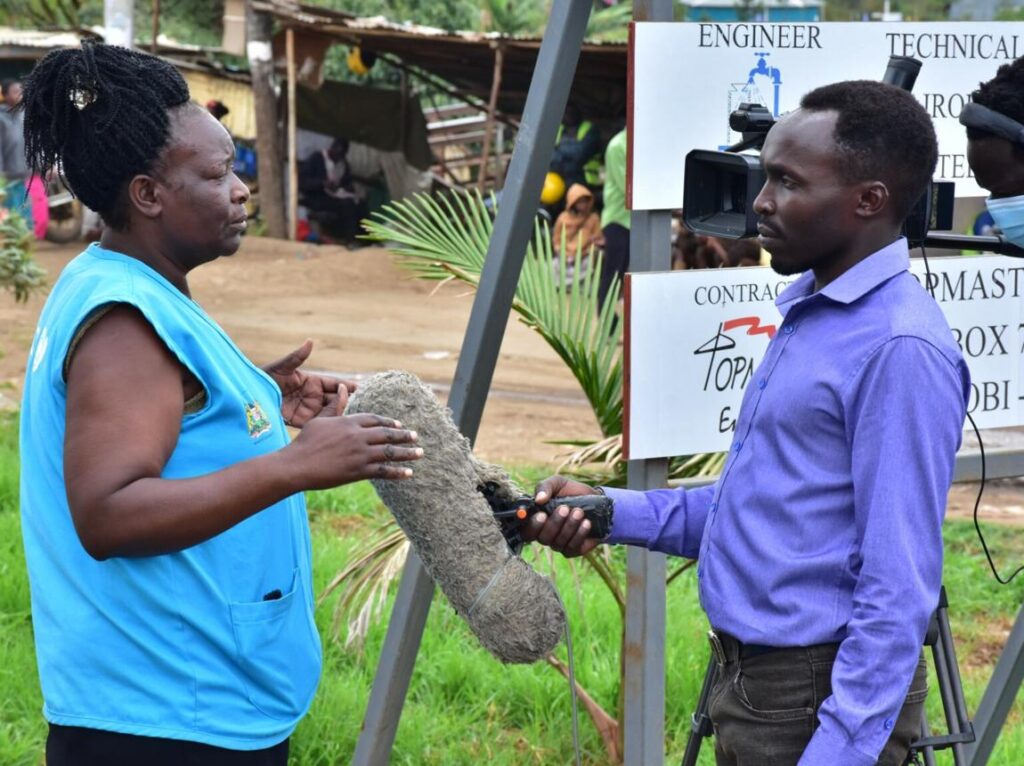
Two practicing reporters also shared their experiences from the field.They explained that journalists often work under tight deadlines while ensuring that every claim is verified and that all parties involved are given an opportunity to respond.”Balanced reporting means listening to every side of a story before presenting it to the public,” one reporter said.
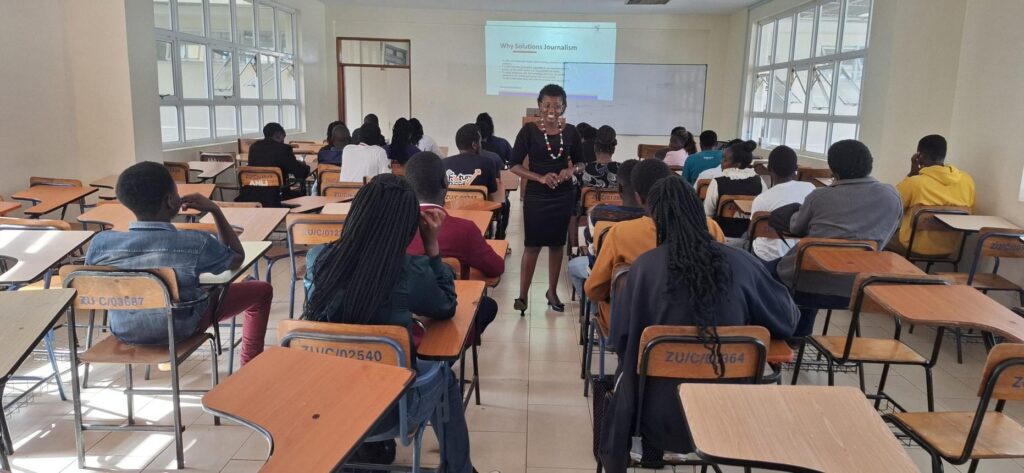
The second reporter observed that journalists frequently encounter pressure from different interest groups but must remain objective throughout the reporting process.”Objectivity requires journalists to separate personal opinions from verified facts,” the reporter noted.Journalism lecturers described ethical reporting as the backbone of professional journalism education.They explained that future journalists are trained to prioritize truth, fairness and accountability throughout the news gathering process.”Accuracy is not optional.
It is the professional responsibility that gives journalism its credibility,” one journalism lecturer said.Another lecturer emphasized that fairness and balance enable audiences to understand issues from multiple perspectives.”When every side is heard, the public is empowered to make informed decisions based on facts rather than speculation,” the lecturer explained.A legal expert highlighted the relationship between press freedom and responsibility.
The lawyer observed that freedom of expression must always be exercised within the law and with respect for the rights of individuals.”Publishing inaccurate information can damage reputations and expose journalists and media houses to legal consequences,” the lawyer said.
Civil society organizations advocating for media freedom argued that journalists require an environment free from intimidation to perform their duties effectively.They also stressed that editorial independence should always be accompanied by professional accountability.”Media freedom and ethical responsibility must go hand in hand if journalism is to serve the public interest,” a representative of a media freedom organization stated.Communication students interviewed during the feature said journalism ethics form the foundation of their professional training.
They expressed confidence that adherence to ethical principles would help them become responsible journalists in the future.The students also acknowledged that the increasing influence of social media has made fact-checking more important than ever before.Residents of Bungoma shared similar concerns regarding the quality of information circulating online.Many said they rely on professional media organizations because they expect stories to be factual, verified and balanced.
Several residents noted that misleading information on social media has made it difficult to distinguish facts from rumors.Others emphasized that journalists should continue presenting all sides of every issue before publishing stories.
The stakeholders unanimously agreed that journalism continues to play a critical role in promoting accountability, transparency and democratic governance.They argued that maintaining ethical standards is essential in strengthening public confidence in the media.As Kenya’s media landscape continues to evolve, experts believe that the principles of accuracy, fairness, balance and objectivity will remain relevant despite technological changes.
Ultimately, they concluded that ethical journalism is not merely a professional obligation but a public service that safeguards the public’s right to accurate and reliable information.