Tandao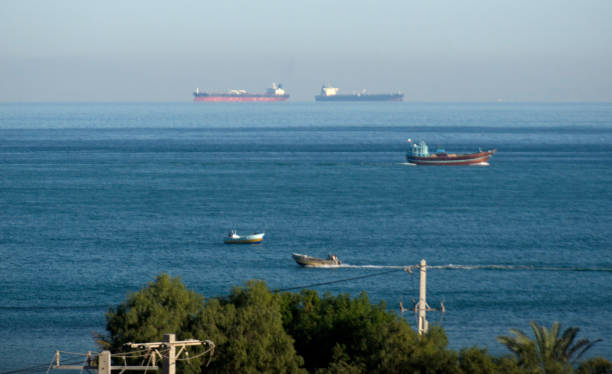
Fishing and cargo container ships sailing in the Strait of Hormuz by Qeshm island, Persian Gulf, Iran. Photo/Getty Images
BY AMOS MUTACHO
Sitting between Oman and Iran, the Strait of Hormuz is a crucial chokepoint for global oil supply, measuring just 33 kilometers at its narrowest. It connects the Persian Gulf to the Gulf of Oman and beyond, serving as a vital route for oil tankers from countries like Saudi Arabia, Iraq, and the UAE. Approximately 30% of the world’s proven crude oil reserves pass through this strait, impacting energy markets across Asia, Europe, and beyond. Should this passage be threatened, oil prices could surge, affecting economies worldwide
History: Ancient Waters, Modern Tensions
Historically, the Strait of Hormuz has been contested by various powers, including the Portuguese and British, due to its strategic importance. The discovery of oil in the 20th century escalated its significance, making it a focal point for geopolitical tensions. Key historical moments include the Portuguese takeover in 1507, Britain’s withdrawal in 1971, and the Iran-U.S. confrontations surrounding oil during the last few decades.
Geopolitics: Iran, the U.S., and the Gulf
Iran’s control of the northern shore of the Strait gives it substantial leverage, as Tehran has occasionally threatened to close this vital route during times of international pressure. The U.S., with its Fifth Fleet based in Bahrain, assures the international community of the Strait’s openness through military presence, creating a complex dynamic with Iran. Gulf Arab states rely heavily on safe passage, as any disruption could lead to catastrophic consequences for their economies.
The Strait Today
Despite ongoing tensions and historical crises, the Strait of Hormuz remains a critical artery for global oil transport, underscoring its enduring significance in the geopolitical landscape of the region.