Tandao
BY CYNTHIA ELIZABETH
More than a decade after healthcare was devolved to Kenya’s county governments, the promise of bringing medical services closer to the people remains a complex journey. Across Bungoma County, billions of shillings are voted annually to upgrade clinics and stock pharmacy shelves.
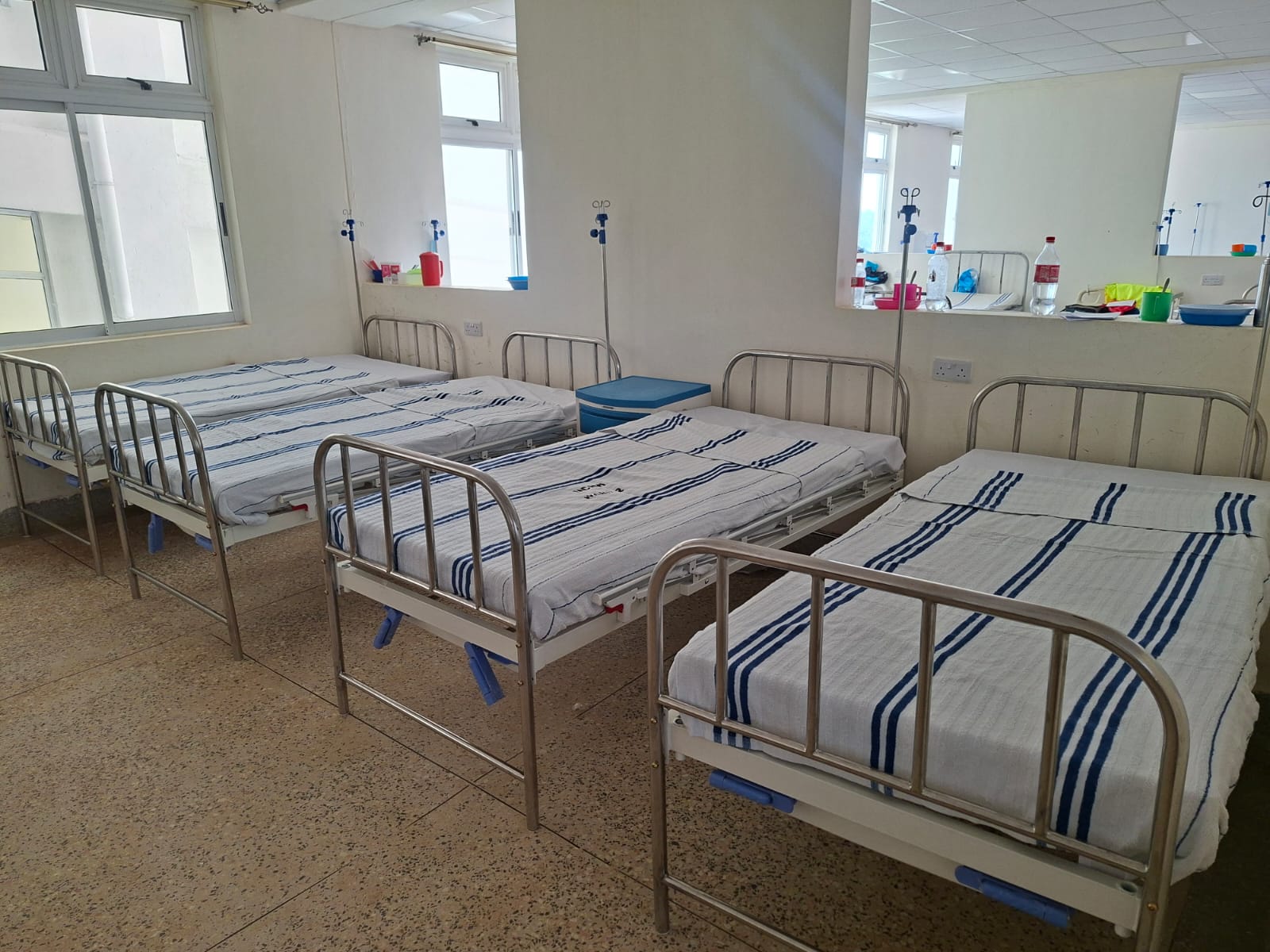
Yet, an in-depth investigation into rural health hubs like Ndalu Health Centre, Makutano Health Centre, and Tongaren Model Health centre reveals a significant gap between approved policy allocations and the daily reality of patients on the ground.At the heart of the issue is a systemic strain defined by missing diagnostic departments, incomplete construction projects, and too few healthcare workers to handle the long lines of citizens seeking care.But to understand why grassroots facilities remain stuck in this loop,one must look at the hard mathematics of county finance.
Public frustration often targets individual facilities or the county health department when services stall. However, system analysts point out that the financial architecture of devolution leaves county executives with very little room to maneuver.According to Mr. George, a regional budget and systems analyst, the structural funding design creates an almost impossible bottleneck at the county headquarters. In the current planning cycle, Bungoma Countyis allocated a total budget of Ksh 15 Billion.
While the Department Of health receives Ksh 4 Billion,the largest single share given to any of the county’s ten distinct departments,the vast majority of that money never reaches the frontline pharmacy shelves or equipment procurement funds.“Salaries alone swallow up approximately Ksh 3.7 Billion per year,”Mr. George explains. “When you deduct those salaries from the Ksh 4Billion allocation, it leaves a meager Ksh 400 Million remaining.”That remaining Ksh 400 Million is expected to fund everything else:building upgrades, purchasing basic medicine, fueling utility vehicles, and maintaining ambulances across the entire county.
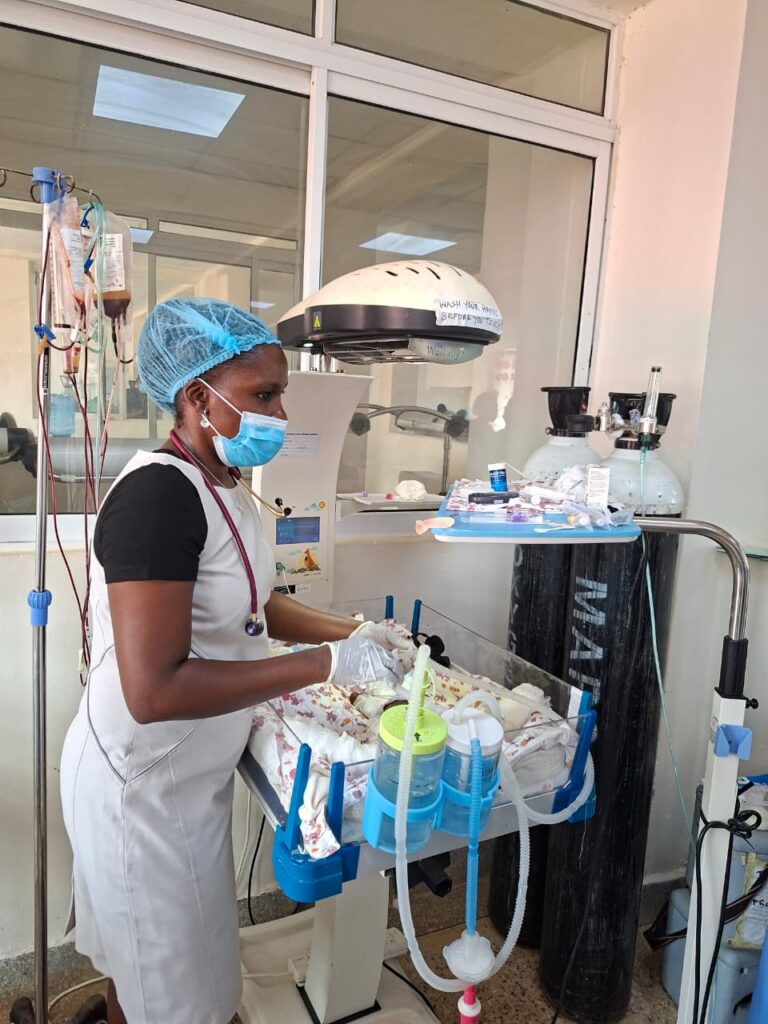
The resource spread is so thin that infrastructure often stalls at thebrick-and-mortar phase. As Mr. George notes bluntly regarding the operational dilemma: “They can build structures, but they cannot equip that thing.”Analysts argue the root constraint traces back to Nairobi. The national revenue-sharing formula retains a staggering 75 percent of total revenues at the national government level, leaving only 15percent to be split among the 47 counties.
This leaves local administrations carrying the direct, heavy daily burden of healthcare operations while completely overwhelmed by funding disparities.This operational cash crunch directly impacts public pharmacy shelves at grassroots clinics. When immediate cash allocations run low,hospitals are frequently forced to ask patients to purchase vital medical supplies and basic medicines out-of-pocket from private pharmacies outside the gates.
Yet, the investigation revealed that funding shortages are compound by internal professional workarounds. Insiders expose a practice locally referred to as ukora among a cross-section of public sector doctors who operate private medical businesses alongside their publicduties.In these instances, some practitioners deliberately claim that the public facility is facing an acute medicine shortage, subsequently referring vulnerable patients to specific private chemists nearby.
In reality, these external shops are secretly owned by the referring clinicians themselves, turning a systemic public supply gap into an artificial cycle of private profit.When grassroots centers like Ndalu and Makutano face equipment shortages or running low on supplies, the strain triggers a massive human domino effect. Patients bypass their local clinics entirely,flooding the central hub at the Bungoma County Referral Hospital(BCRH).This sudden inflation of patients seeking treatment for basic ailments,which could easily be handled at the sub-county level if resources were available,places immense pressure on the referralhospital’s internal staff-to-patient ratios.
However, hospital administrators are working actively to balance public perceptions of systemic neglect against operational limits.Gloria Situma, the Communications Officer at BCRH, addresses recentpublic concerns regarding severe congestion directly.”There is congestion at the facility due to the high volume incoming referrals,” Situma acknowledges, pointing out that specialized services like the hospital’s renal units naturally attract high patient volumes from across the region.
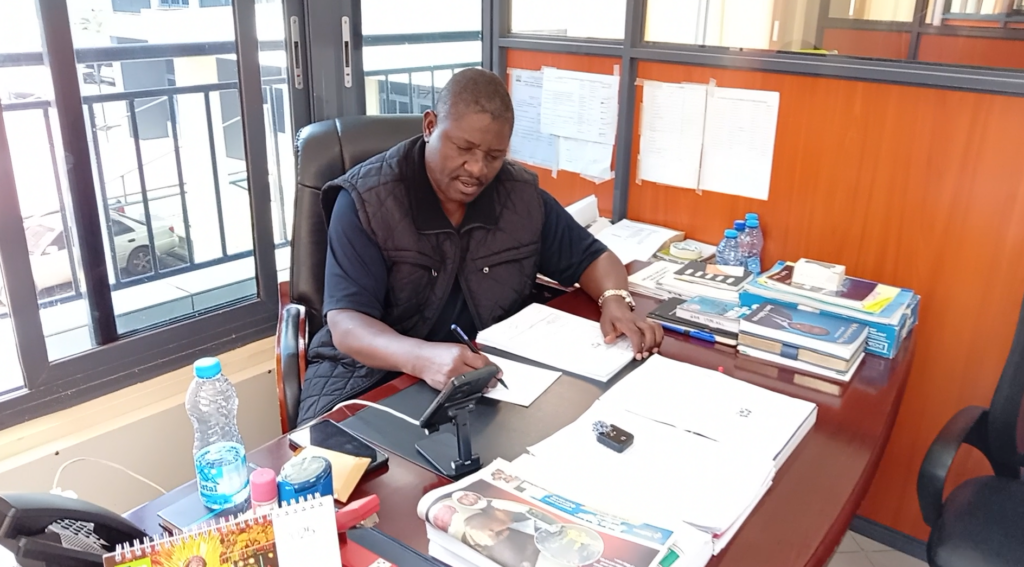
However, she clarified that the facility has proactively added between 70 to 100 new beds and mattresses to curb the pressure. “The rumors regarding bed-sharing aren’t true. The hospital does not encourage or practice that at all.”To manage the severe staff burnout caused by this referral bottleneck,Situma explains that BCRH relies heavily on medical interns and locum nurses to keep frontline departments functional.The ongoing rollout of the Social Health Authority (SHA) framework introduces a completely new layer of digital and administrative transition for the county.
At the hospital’s billing desks, the shift from manual systems to electronic data capturing is generating mixed operational results.Charleen Makungu Mbone, the SHA Billing In-Charge at BCRH, reports that while the core onboarding framework is designed to run smoothly,frontline staff regularly encounter administrative backlogs. These delays are primarily driven by temporary network connectivity drops and portal latency when processing patient data for treatmentapprovals.Furthermore, the digital nature of SHA introduces a structural barrier for rural populations.
The electronic registration platform requires a valid national identification card as a strict prerequisite.”A significant portion of the elderly population in the region doesn’t possess national IDs,” notes Mr. George. Because they lack the required documentation to enter the digital system, these vulnerable residents are completely locked out of SHA coverage, leaving them with no choice but to pay out-of pocket cash for routine treatments.
Emergency response across Bungoma reflects a similar policy paradox.Nationally, the government has introduced the “u-dial” system, amodern, universal digital dispatch mechanism intended to coordinateemergency vehicles at no cost to the patient.From a policy oversight perspective, analysts like Mr. George arguethe system has yet to be fully actualized or felt by ordinary citizenson the ground, leaving the physical sub-county fleets in a state ofneglect due to historical maintenance delays.
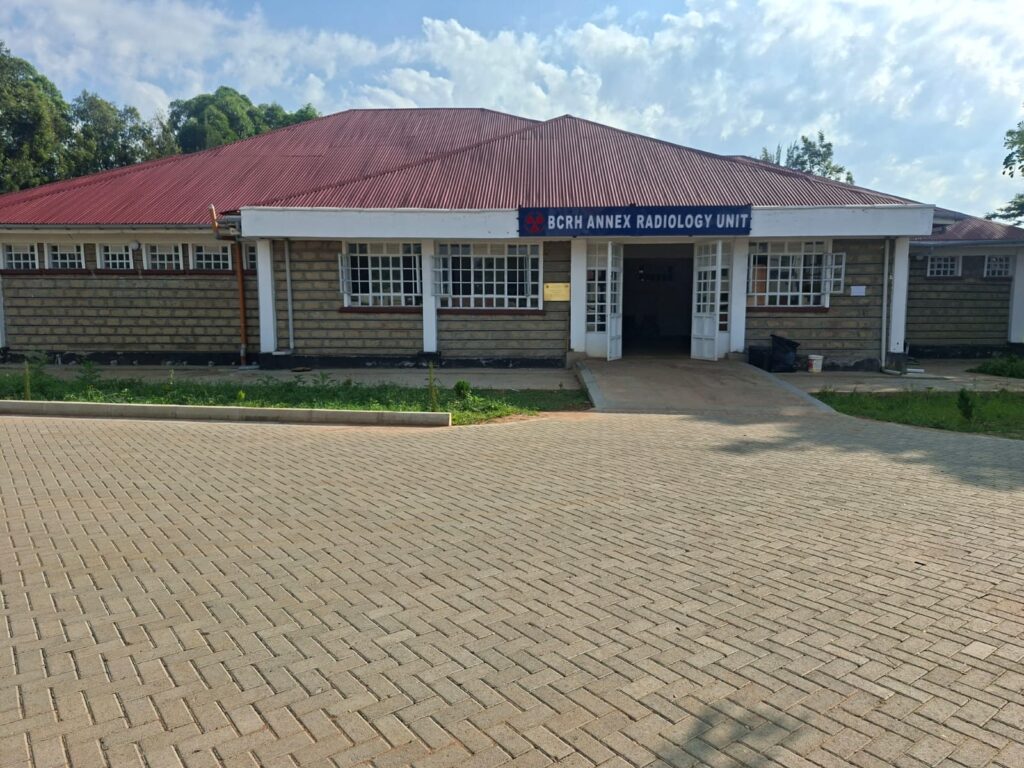
Yet, inside the referral hospital walls, the practical wheels of transition are actively turning. Frontline administrative teams led by billing officials like Charleen Makungu Mbone have actively commenced targeted institutional training for the new u-dial ambulance dispatch procedures.
These teams are systematically preparing theadministrative infrastructure to track and clear incoming emergencycases digitally as soon as the wider network goes fully live.Devolution was structurally designed to bring quality care to thedoorsteps of ordinary communities, while the national SHA rollout aimsto provide financial protection against illness.But as Bungoma County navigates the reality of a Ksh 400 Millionoperational fund vs a Ksh 3.7 Billion salary bill, the ultimatesuccess of health devolution will not be measured by policy designsdrafted in Nairobi or budgets read in the Assembly.
For the citizens waiting in line at Ndalu, Makutano, or Tongaren, it will be measured by the steady supply of medicine, functional local equipment, and the arrival of an ambulance when it matters most.