Tandao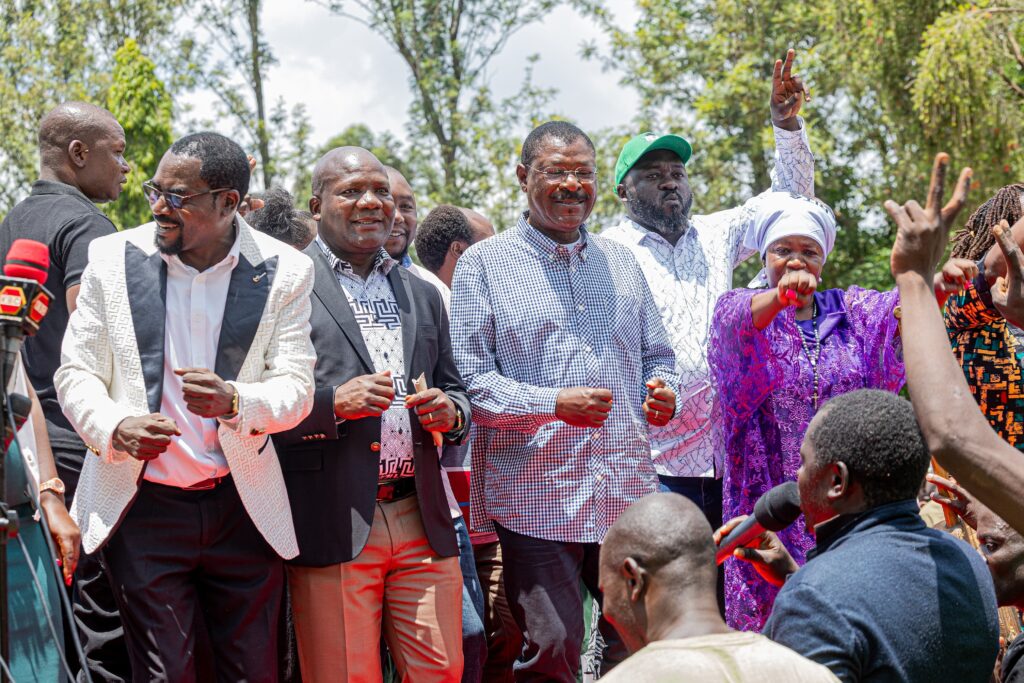
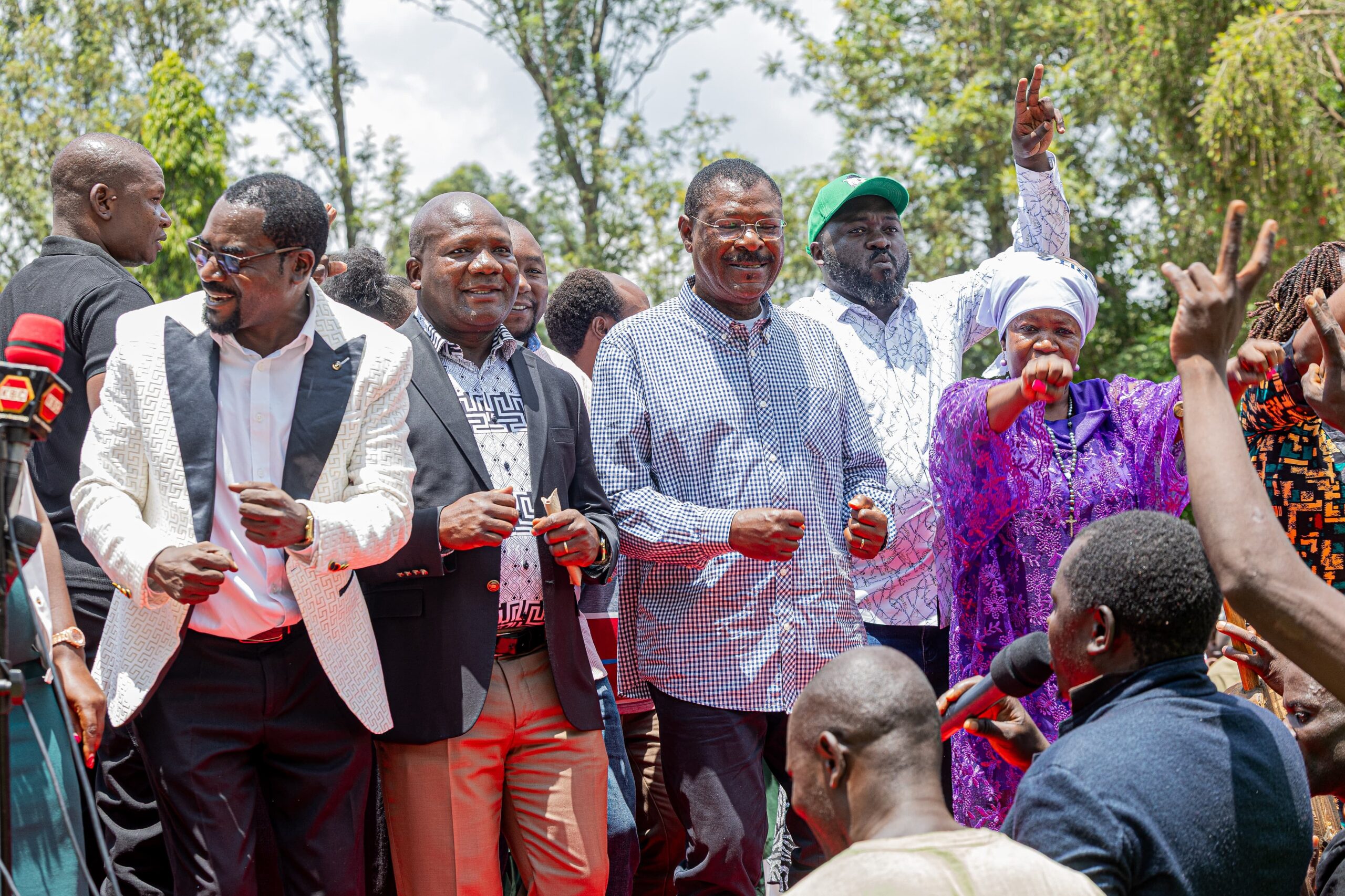
Matungu MP Peter Nabulindo, Kakamega Governor Fernandes Barasa, National Assembly Speaker Moses Wetang’ula and Bungoma Senator Wafula Wakoli gather outside Holy Spirit Catholic Church in Bulimbo, Matungu constituency, Kakamega county after the service on February 22, 2026 /HILTON OTENYO/COURTESY/
FELIX WANJALA
For more than three decades, Ford Kenya has remained a fixture in the country’s political landscape. By 2032, when the party hopes to mount a serious bid for Kenya’s top leadership, it will have spent nearly forty years in active politics, a remarkable journey for one of the nation’s oldest surviving political movements.
At the center of this long‑term vision is Moses Wetang’ula, the Speaker of the National Assembly and Ford Kenya’s party leader. Within the party, he is widely viewed as the most likely candidate to carry its presidential flag in 2032. In recent public engagements, Wetang’ula has reiterated his support for President William Ruto’s re‑election bid in 2027, while hinting that he expects similar backing from allies when his own presidential ambitions take shape five years later.
Yet Ford Kenya’s path forward is far from smooth. The party continues to wrestle with internal disputes, questions of unity, and discontent among former members who allege marginalization and lack of recognition for their contributions. These divisions have occasionally overshadowed its efforts to expand influence beyond its traditional stronghold in Bungoma County.
Wetang’ula’s recent youth engagement meeting at his Kabuchai residence was seen as an attempt to reconnect with younger voters and re‑energize the party base. Still, uncertainty lingers over the broader political direction of Western Kenya. Some leaders and residents argue that the region should produce a national leader as early as 2027, rather than waiting until 2032.
Complicating matters further is Wetang’ula’s dual role as Speaker and party leader,a position that has drawn scrutiny from both allies and critics. Some figures within President Ruto’s camp have urged him to dissolve or merge Ford Kenya into larger political formations, proposals he has consistently resisted.
Ford Kenya’s elected leadership remains heavily concentrated in Bungoma, represented by MPs John Chikati (Tongaren), John Makali (Kanduyi), Majimbo Kalasinga (Kabuchai), Martin Pepela Wanyonyi (Webuye East), and Ferdinand Wanyonyi (Kwanza). The county also boasts Woman Representative Catherine Wambilianga, Governor Kenneth Lusaka, and Senator David Wafula Wakoli,a lineup that underscores the party’s deep roots in the region but also highlights its limited reach elsewhere.
For years, Western Kenya has looked to senior leaders such as Prime Cabinet Secretary Musalia Mudavadi and Speaker Wetang’ula for political direction. However, a new generation of leaders,including Jack Wamboka (Bumula, DAP‑K), George Natembeya (Trans Nzoia Governor, DAP‑K), Eugene Wamalwa (DAP‑K leader), and Edwin Sifuna (ODM Secretary‑General), is reshaping the region’s political identity and challenging the dominance of the old guard.
Meanwhile, figures like Kakamega Senator Boni Khalwale, DCP Deputy Party Leader Cleophas Malala, and former ODM Deputy Party Leader Godfrey Osotsi argue that Western Kenya is already politically prepared for the 2027 General Election and should begin positioning itself accordingly.
AUTHOR’S PICK
As the debate between 2027 and 2032 intensifies, Ford Kenya faces a defining test: to strengthen internal cohesion, broaden its appeal beyond Bungoma, and convince voters that it can play a central role in shaping Kenya’s future leadership.